
Domestic Money Transfer – Money Transfer service :- Money transfer has become an essential part of everyday life. Whether you want to send money to family members, pay business expenses, receive payments, or transfer funds to another country, having access to reliable money transfer services makes financial transactions easier and more convenient.
Domestic Money Transfer – Money Transfer service – Money Transfer Services Near Me: A Complete Guide to Safe and Easy Paisa Transfer in India
Today, people can transfer money through mobile banking, internet banking, UPI applications, bank branches, and authorised money transfer service providers. However, some customers still prefer visiting nearby financial service centres for assistance with cash deposits, withdrawals, domestic transfers, and international payments.
If you are searching for money transfer services near me, understanding the available options can help you choose a convenient, secure, and cost-effective way to manage your transactions.
In this guide, we will explain how money transfer services work, different methods of transferring money, international money transfers, ACH charges, e-mandates, disbursements, and important safety precautions.
1. What Are Money Transfer Services? – Domestic Money Transfer – Money Transfer service
Money transfer services allow individuals and businesses to send money from one bank account or payment source to another. These services make it possible to transfer funds without physically delivering cash to the recipient.
For example, if you want to send ₹5,000 to a family member living in another city, you can use an online money transfer application, internet banking, or an authorised financial service provider.
Money transfer services are useful for:
- Sending money to family and friends.
- Making business payments.
- Paying suppliers and vendors.
- Receiving customer payments.
- Transferring salaries and other payments.
- Sending money internationally.
- Managing regular financial transactions.
The main purpose of these services is to make money transactions faster, more accessible, and convenient.
2. How to Find Money Transfer Services Near Me – Domestic Money Transfer – Money Transfer service
When people search for money transfer services near me, they usually want a nearby location where they can send or receive money with assistance.
You can find money transfer facilities through several channels:
Local Bank Branches: Banks offer different fund transfer facilities, including NEFT, RTGS, and IMPS. You can visit your bank branch if you need assistance with a transaction.
Authorised Banking Correspondents: Banking correspondents provide selected banking services to customers in areas where traditional bank branches may not be easily accessible. Depending on the bank and service provider, facilities may include cash withdrawals, deposits, and money transfers.
Digital Banking Applications: Mobile banking and internet banking allow customers to transfer funds without visiting a physical location.
Authorised Money Transfer Providers: Some financial service providers offer domestic and international remittance facilities through their authorised networks.
Before selecting a service, check its authorisation, transaction fees, service availability, and customer support.
3. What Is Paisa Transfer and How Does It Work?
Paisa transfer is a commonly used expression in India for sending money from one person to another.
The process generally involves three main steps:
- The sender selects a money transfer method.
- The sender enters the recipient’s required payment details and transfer amount.
- The payment system processes the transaction and sends the money to the recipient.
For example, suppose a customer wants to transfer ₹10,000 to a relative. The customer can use UPI, IMPS, NEFT, or another supported payment method.
After completing the transaction, the sender should check the payment confirmation and verify whether the amount has been credited to the recipient’s account.
A successful transaction should always be confirmed through the official banking application, bank statement, or authorised transaction receipt.
4. Different Methods of Online Money Transfer in India
India offers several electronic payment methods that make transferring money easier. Each method has different features and uses.
UPI (Unified Payments Interface)
UPI allows customers to transfer money between participating bank accounts using a mobile application.
Customers can generally send money using a UPI ID, mobile number, or QR code, depending on the supported payment service.
It is commonly used for everyday payments, shopping, bill payments, and person-to-person transfers.
NEFT (National Electronic Funds Transfer)
NEFT is an electronic fund transfer system operated by the Reserve Bank of India.
It allows individuals and businesses to transfer money between participating bank accounts across India. NEFT is available 24 hours a day, throughout the year.
It is useful for personal payments, business transactions, and bank-to-bank transfers.
IMPS (Immediate Payment Service)
IMPS is a real-time electronic fund transfer service that allows customers to transfer money between participating banks.
It is available around the clock, including weekends and holidays, making it useful when an immediate transfer is required.
RTGS (Real Time Gross Settlement)
RTGS is designed for high-value financial transactions. Transfers are settled individually in real time.
In India, the minimum amount for an RTGS transaction is ₹2 lakh. It is commonly used by businesses and individuals who need to transfer larger amounts.
Choosing the correct payment method depends on the amount, urgency, transaction requirements, and applicable bank charges.
5. International Money Transfer: Sending Money Abroad
International money transfer allows individuals and businesses to send funds from one country to another.
For example, an Indian resident may need to send money to a family member studying in the United States or pay an overseas service provider.
International money transfers are commonly used for:
- Overseas education expenses.
- Family maintenance.
- Medical expenses abroad.
- Business payments.
- Travel-related expenses.
- Other permitted international remittances.
The amount received by the beneficiary may depend on the exchange rate, transfer fees, intermediary bank charges, and the receiving bank’s policies.
Before making an international transfer, compare the exchange rate and total transaction cost rather than looking only at the advertised transfer fee.
You should also confirm the recipient’s bank details, account information, SWIFT/BIC code where required, and applicable regulatory requirements.
6. Money Transfer Successful: How to Confirm Your Payment
After sending money, customers often look for a money transfer successful message to confirm that their payment has been completed.
However, receiving a notification does not always mean that the recipient has received the money.
Here are some ways to verify your transaction:
- Open your official banking or payment application.
- Check the transaction history.
- Verify the payment status.
- Review the transaction reference number or UTR.
- Check the recipient’s account credit confirmation.
- Download or save the payment receipt.
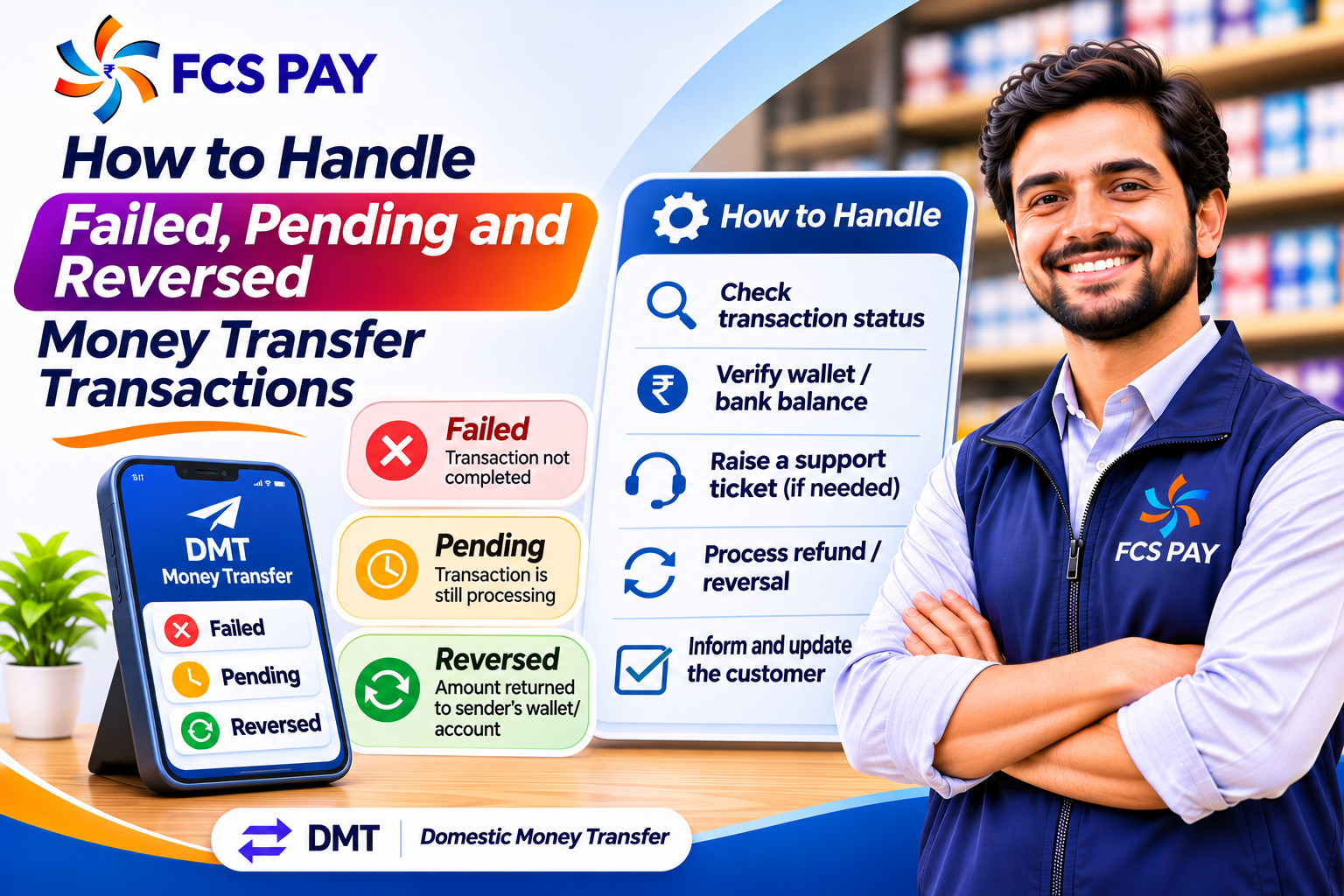
If the transaction is pending or failed but your account has been debited, avoid immediately sending the same amount again. Check the transaction status and contact your bank or payment provider if necessary.
A proper money transfer message should contain relevant transaction information, such as the amount, date, reference number, and payment status.
Never share your OTP, UPI PIN, password, or other confidential banking credentials with anyone.
7. What Is ACH? ACH Full Form in Banking
ACH stands for Automated Clearing House.
It refers to an electronic payment clearing network used to process transactions between financial institutions. ACH systems are commonly used for recurring payments, bulk transfers, salary payments, and automatic bill collections.
In India, customers may also encounter ACH-related terminology associated with the National Automated Clearing House (NACH) system operated by the National Payments Corporation of India (NPCI).
NACH supports two major types of transactions:
NACH Credit: This facility is used by organisations to transfer money to multiple beneficiaries. Examples include salaries, pensions, dividends, interest payments, and government benefit distributions.
NACH Debit: This facility allows organisations to collect recurring payments from customers’ bank accounts. Examples include loan EMIs, insurance premiums, electricity bills, and mutual fund investments.
Understanding ACH meaning in banking helps customers recognise automatic payments and bulk money transfer transactions appearing in their bank statements.
8. What Are ACH Charges and ACH Return Charges? – Domestic Money Transfer – Money Transfer service
ACH charges are fees that may be associated with processing certain electronic clearing transactions. The actual charges depend on the bank, financial institution, payment arrangement, and applicable service terms.
ACH return charges may apply when an automatic debit transaction cannot be completed.
Some common reasons for a returned transaction include:
- Insufficient account balance.
- Incorrect bank account details.
- Closed or inactive bank accounts.
- Invalid or cancelled mandates.
- Account restrictions.
- Other technical or processing issues.
For example, suppose a customer has authorised an automatic EMI payment of ₹8,000 every month. If the required balance is unavailable on the scheduled date, the debit may be returned.
The bank or lender may apply charges according to its applicable policy and agreement.
Customers should check their bank’s official schedule of charges to understand the exact ACH charges and ACH return charges. These fees are not necessarily identical across all banks.
9. E-Mandate Meaning: What Is an E-Mandate? – Domestic Money Transfer – Money Transfer service
An e-mandate is a digital authorisation that allows a bank or financial institution to process approved recurring payments automatically.
Instead of manually making the same payment every month, customers can provide permission for scheduled debits from their bank accounts.
For example, a customer may use an e-mandate for:
- Loan EMI payments.
- Insurance premiums.
- Mutual fund SIP investments.
- Subscription payments.
- Utility bill payments.
- Other recurring financial obligations.
How Does an E-Mandate Work?
The process generally involves the following steps:
- The customer selects an organisation or service requiring recurring payments.
- The customer enters the necessary mandate details.
- The customer reviews the payment amount, frequency, and other conditions.
- The mandate is authenticated using an available banking authentication method.
- After successful registration and acceptance, eligible recurring payments can be processed according to the mandate.
An e-mandate helps reduce manual payment work and can minimise the chances of missing scheduled payments.
However, customers should carefully review the authorised amount, frequency, validity, and cancellation conditions before approving any mandate.
10. What Is Disbursement? Understanding Disbursed Amount
Disbursement refers to the process of releasing or distributing money to an individual, organisation, or beneficiary.
In banking and financial services, disbursement commonly occurs when a lender releases an approved loan amount to a borrower or when an organisation distributes payments to multiple recipients.
For example, if a bank approves a personal loan of ₹2,00,000 and releases the approved funds to the borrower’s account, the released amount is called the disbursed amount.
Common examples of disbursement include:
- Personal loan disbursement.
- Business loan disbursement.
- Education loan disbursement.
- Salary disbursement.
- Government subsidy distribution.
- Insurance claim payments.
Disbursement Meaning in Simple Words
Disbursement simply means paying out or releasing money to the person who is eligible to receive it.
The approved amount and the final disbursed amount may sometimes differ because of applicable fees, deductions, or other conditions mentioned in the agreement.
Customers should always review their loan documents and payment statements to understand the amount credited to their accounts.
11. Money Exchange Near Me: Currency Exchange Services
People travelling abroad, studying overseas, or conducting international business may need foreign currency.
Searching for money exchange near me or currency exchange near me can help identify nearby authorised currency exchange providers.
Foreign exchange services allow customers to exchange one currency for another.
For example, an Indian traveller visiting the United States may need to exchange Indian rupees for US dollars.
Before choosing a foreign exchange service, consider the following:
- Check the current exchange rate.
- Compare the total service charges.
- Confirm whether the provider is authorised.
- Ask about available currencies.
- Understand applicable documentation requirements.
- Collect a transaction receipt.
Foreign exchange rates change regularly due to market conditions. Therefore, the final amount received may vary depending on the exchange rate applied when the transaction is processed.
For international transfers and currency exchange, use authorised providers and follow applicable Indian regulations.
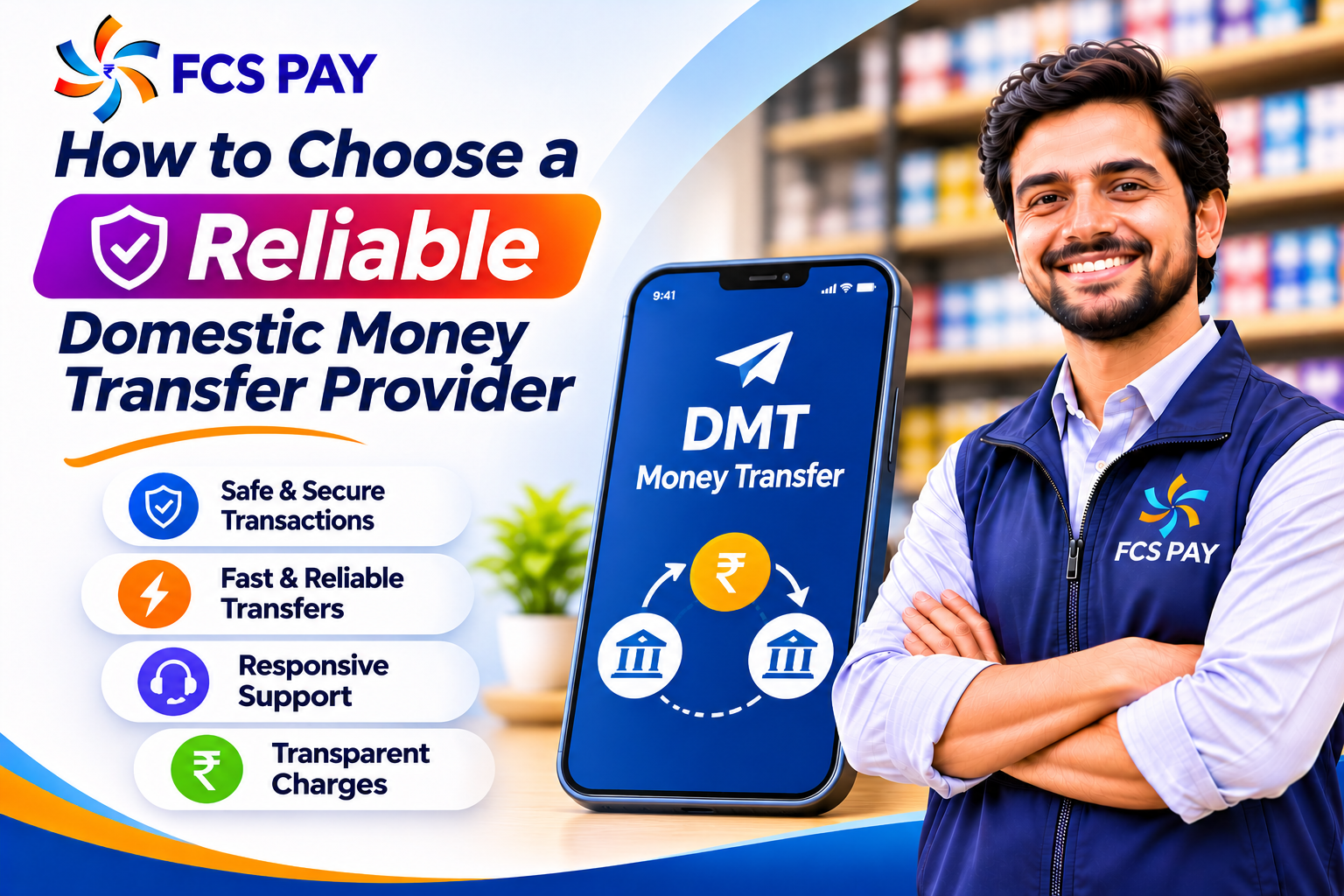
12. How to Choose a Safe Money Transfer Service
Choosing the right money transfer service is important because financial transactions involve sensitive personal and banking information.
Consider these factors before selecting a service:
1. Authorisation and Reliability: Choose a bank or appropriately authorised payment service provider. Verify the provider’s credentials before transferring money.
2. Transparent Charges: Understand the transaction fees, exchange rate, and any additional service charges before confirming payment.
3. Transaction Speed: Check the expected processing time. Some payment methods are instant, while others may require additional processing time.
4. Security: Use secure banking applications and official websites. Never share your OTP, PIN, password, or confidential financial information.
5. Customer Support: Choose a service with accessible customer support to help resolve failed transactions, delayed payments, or other problems.
6. Transaction Records: Always save your transaction reference number, receipt, or confirmation message.
These precautions can help make money transfers more secure and reduce the possibility of payment-related problems.
13. Common Money Transfer Problems and Their Solutions
Even when using digital payment services, customers may sometimes experience transaction-related issues.
Here are some common problems and possible solutions:
Money Debited but Not Received: Check the transaction status and reference number. Contact your bank or payment provider if the money is not credited or automatically reversed within the applicable timeframe.
Incorrect Account Details: Always verify the recipient’s name, account number, IFSC code, and other required details before confirming a transfer.
Pending Transaction: Avoid making another payment immediately. Wait for the official status update and contact customer support if necessary.
Failed ACH Payment: Check your account balance, mandate status, and bank account information. Contact your bank to understand the return reason and any applicable charges.
International Transfer Delay: Verify the beneficiary details, exchange rate, documentation, and intermediary bank requirements with your service provider.
Keeping transaction records can make it easier to resolve these issues.
14. Benefits of Using Modern Money Transfer Services
Modern money transfer facilities offer several benefits to individuals and businesses.
- Convenience: Customers can transfer money through digital channels without always visiting a bank branch.
- Accessibility: Banking correspondents and authorised service centres can provide access to selected financial services.
- Speed: Payment methods such as UPI and IMPS support fast transactions.
- Transparency: Transaction references and payment receipts help customers track their payments.
- Business Efficiency: Electronic transfers simplify vendor payments, salary distribution, and other business transactions.
- Recurring Payments: ACH/NACH and e-mandate facilities help automate eligible recurring payments.
These benefits have made electronic money transfers an important part of India’s financial ecosystem.
Conclusion
Money transfer services have made sending and receiving money easier for individuals, families, and businesses. Whether you are searching for money transfer services near me, looking for a convenient paisa transfer option, sending money internationally, or trying to understand ACH charges and e-mandates, knowing how these services work can help you make better financial decisions.
From UPI, NEFT, IMPS, and RTGS to ACH/NACH-based recurring payments, different payment systems serve different financial needs.
Before choosing a money transfer service, always compare transaction charges, check the provider’s authorisation, verify payment details, and follow basic security precautions.
A reliable money transfer method should offer convenience, transparency, security, and suitable transaction options for your requirements. Understanding these services can help you manage everyday financial transactions with greater confidence.
Recommended FAQs
You can add these FAQs at the end of your blog post to target additional search queries.
1. What are money transfer services near me?
Money transfer services near me are local banks, authorised banking correspondents, and financial service providers that help customers send and receive money.
2. How can I transfer money online in India?
You can transfer money online using UPI, NEFT, IMPS, or RTGS through your bank’s official mobile application or internet banking facility.
3. What is the full form of ACH in banking?
ACH stands for Automated Clearing House. It is an electronic payment clearing system used for processing credit and debit transactions.
4. What are ACH return charges?
ACH return charges are fees that may apply when an automatic debit transaction fails due to insufficient funds, incorrect account details, or other reasons.
5. What is an e-mandate?
An e-mandate is a digital authorisation that allows recurring payments, such as loan EMIs and insurance premiums, to be automatically debited from a bank account.
6. What does disbursed amount mean?
A disbursed amount is the money released or paid to a borrower or beneficiary after approval of a loan or payment.
7. How can I check whether my money transfer was successful?
Check your official banking application, transaction history, bank statement, and transaction reference number to verify the payment status.
8. How can I find currency exchange near me?
Search for authorised foreign exchange providers in your area and compare exchange rates, fees, and available currencies before making a transaction.