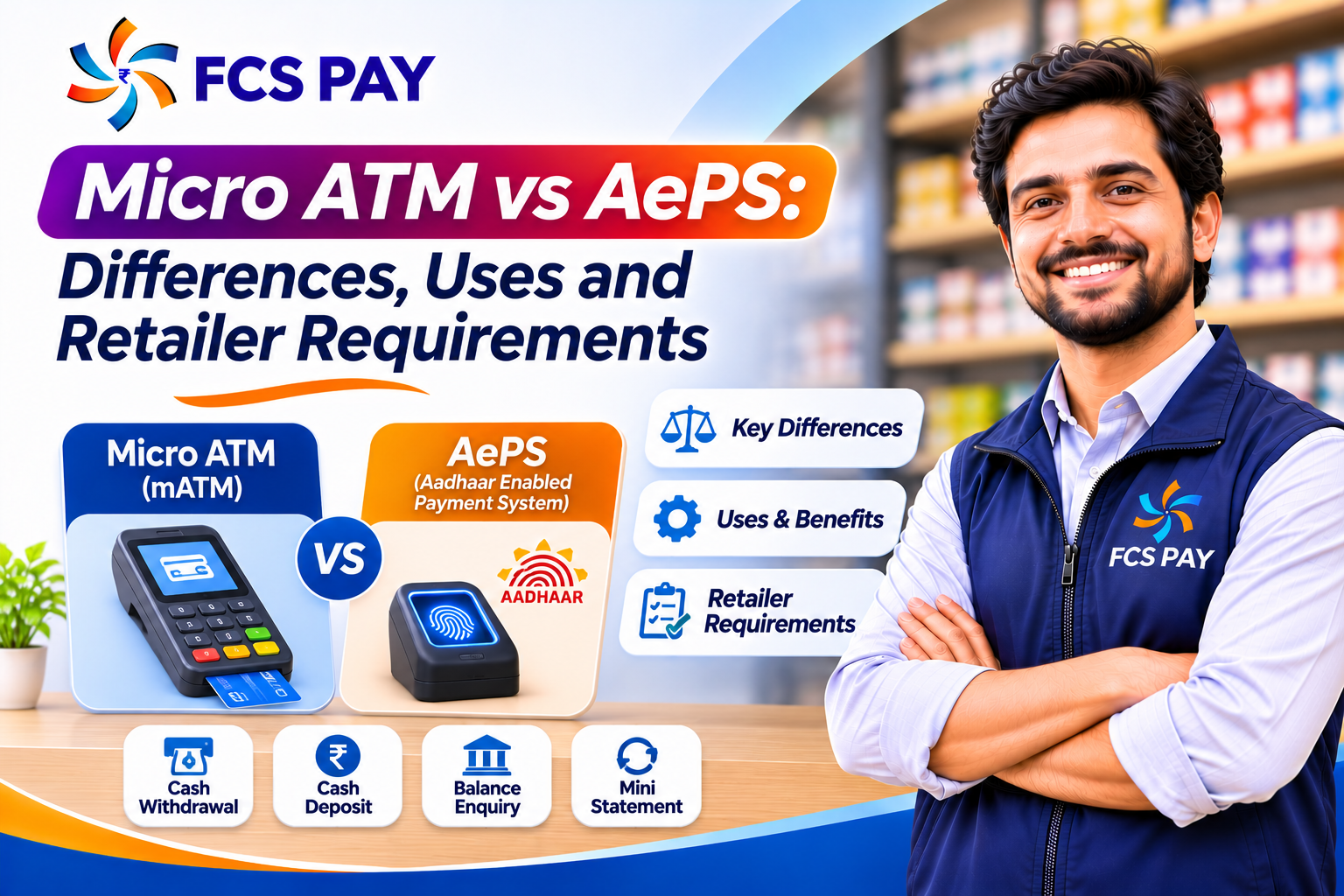

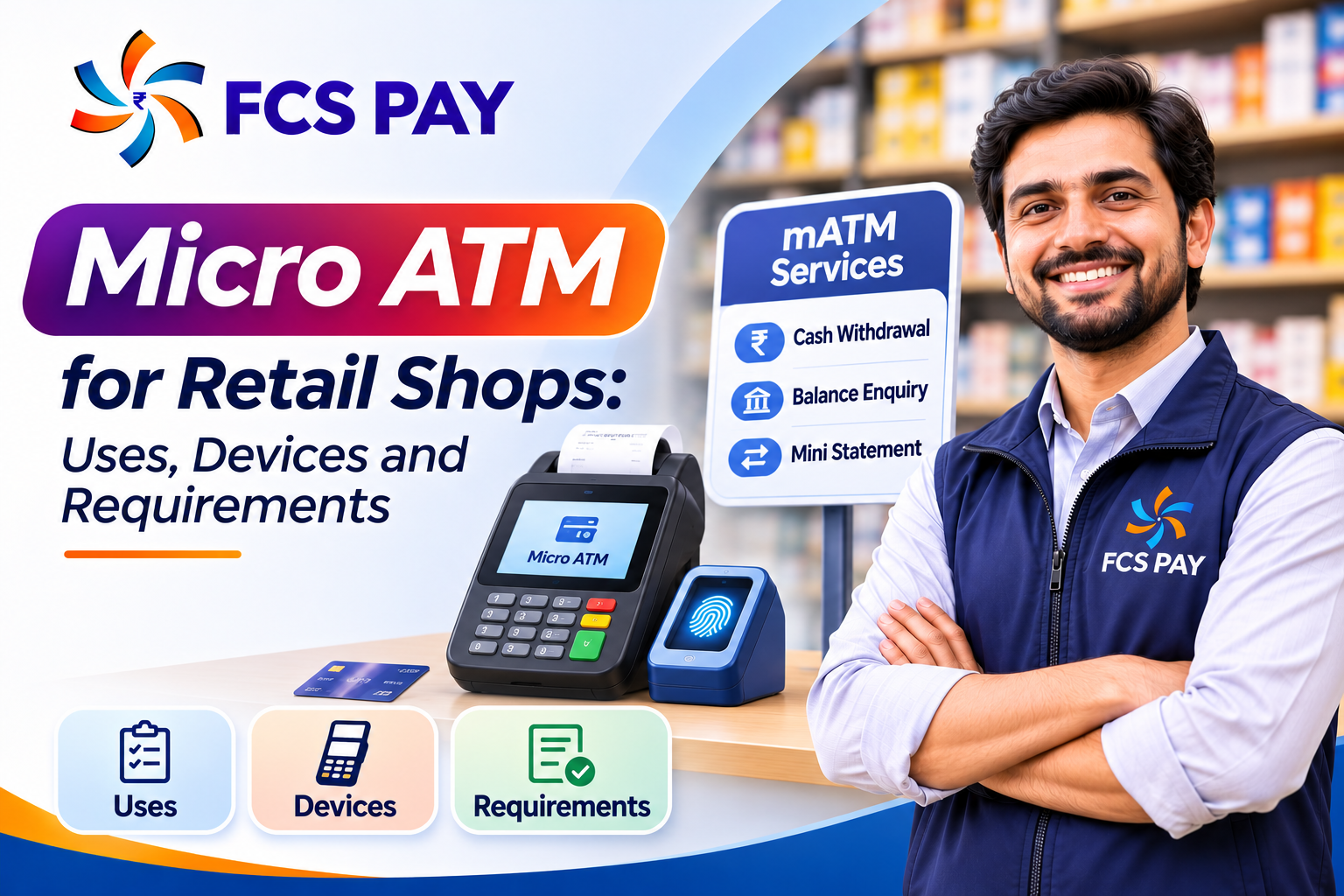
A Micro ATM is a compact device used in supported banking workflows at an authorized service point. Depending on the provider and approved setup, it may support card-based transactions such as cash withdrawal or balance enquiry. Device compatibility, available functions and customer eligibility vary.
How can a Micro ATM help a retail shop?
For eligible shops, an approved Micro ATM service can offer customers another way to access supported banking transactions nearby. Whether it makes business sense depends on local demand, provider terms, device costs, service availability and the retailer’s ability to follow required operating procedures.
What should you check before buying a device?
- Confirm the device model is approved and compatible with the selected provider.
- Ask which transactions and card types are supported.
- Check device price, deposit, warranty, replacement process and maintenance costs.
- Confirm activation requirements, connectivity and any recurring charges.
- Understand transaction limits, settlement and support procedures before paying.
Operational practices for retailers
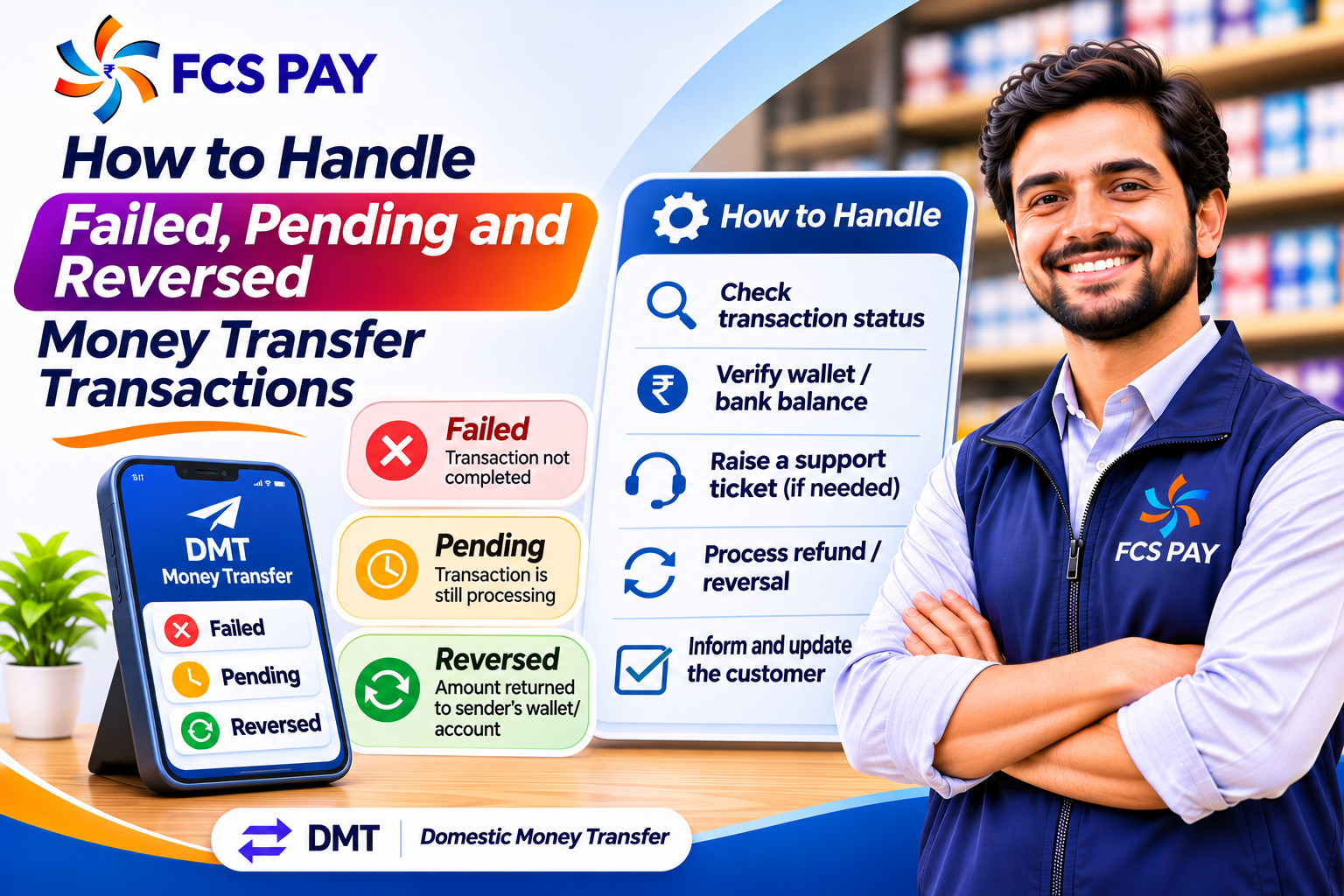
Use only the authorized device and official application. Follow the prescribed process for customer consent, PIN entry and transaction confirmation. Do not record or disclose customer PINs. Check the final status in the provider system and use official escalation procedures for pending, failed or reversed transactions.
Estimate the total cost
Consider more than the device purchase price. Include connectivity, maintenance, staff time, cash-handling requirements where applicable and any provider charges. Estimate demand conservatively and use only the commission or fee schedule supplied in writing. No particular level of income is guaranteed.
Explore Micro ATM services with FCSPAY
Review the FCSPAY Micro ATM page and available services. Confirm current device compatibility, service eligibility, costs and onboarding terms before purchasing hardware or advertising the service.